
"mechanical harvesting"
1000 article(s) found

Coffee knowledge Coffee growth cycle and picking
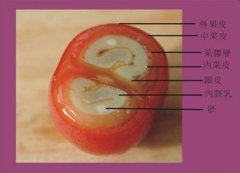
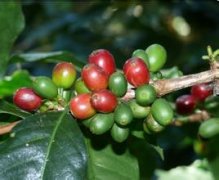
Coffee beans are the seeds of coffee trees. After three or four years of growth, the coffee tree matures and begins to bear fruit, with one fruit arranged in clusters or clusters along the branches. The outside of the seed is a layer of peel, which can be picked as soon as it turns red. Under the red skin (exocarp) there is a layer of pulp (mesocarp), which is a small thin layer, and then a layer of material endocarp like parchment. In

A brief introduction to the steps of semi-washing coffee beans in the technological process of coffee bean processing
Professional coffee knowledge exchange more coffee bean information please follow the coffee workshop (Wechat official account cafe_style) Front Street-semi-washing processing methods semi-washing (Descascado) treatment of harvested berries for treatment and classification: red ripe and green berries on one side, and boia "berries on the other side for the first mechanical sieve in water

Fruit-flavored Rwandan coffee taste introduction to fine coffee beans in Manor
The watershed between the Congo basin and the Nile basin runs through Rwanda from north to south, with about 80 per cent of the country draining from the Nile and about 20 per cent from the Ruzi River and Lake Tanganyika. The longest river in the country is the Niabalongo River (Nyabarongo River) in the southwest, which turns north, east and southeast and flows into the Luwuwu River to form the Kagaila River.
Planting and harvesting of coffee
The first people to drink coffee lived in Ethiopia. A drink called Buncham was found in the Arab scientific literature of 900-1000 AD, but it is not certain that it is coffee. These documents mainly record the scientific value of this bean called Buncham. In addition to introducing the protective effects of this drink on the stomach, organs and skin, the author also mentioned that it can make
Australian producing country
Australian coffee is of high quality and has a soft taste with a slightly bitter taste of caffeine. It is a pity that only a small number of products enter the export market, because production is limited by high labor costs, or by strong sunlight. Because it is too hot, people can not use cheap mechanical tools for picking, so they have to rely on manual harvesting. This increases the cost of production. Usually
Coffee producing countries introduce Australian coffee producing countries
Australian coffee is of high quality and has a soft taste with a slightly bitter taste of caffeine. It is a pity that only a small number of products enter the export market, because production is limited by high labor costs, or by strong sunlight. Because it is too hot, people can not use cheap mechanical tools for picking, so they have to rely on manual harvesting. This increases the cost of production. Usually

Coffee bean farm producing country of Australian boutique coffee beans
Australian coffee is of high quality and has a soft taste with a slightly bitter taste of caffeine. It is a pity that only a small number of products enter the export market, because production is limited by high labor costs, or by strong sunlight. Because it is too hot, people can not use cheap mechanical tools for picking, so they have to rely on manual harvesting. This increases the cost of production. Usually

World coffee producing countries introduce other coffee bean producing countries
Australian Austrlia Australian coffee is of high quality and has a soft taste with a slightly bitter taste of caffeine. It is a pity that only a small number of products enter the export market, because production is limited by high labor costs, or by strong sunlight. Because it is too hot, people can not use cheap mechanical tools for picking, so they have to rely on manual harvesting. This increases

Other coffee producing countries introduced by the world coffee producing countries
Australian Austrlia Australian coffee is of high quality and has a soft taste with a slightly bitter taste of caffeine. It is a pity that only a small number of products enter the export market, because production is limited by high labor costs, or by strong sunlight. Because it is too hot, people can not use cheap mechanical tools for picking, so they have to rely on manual harvesting. This increases

Introduction to the processing method of Coffee picking and growing process
Introduction to the processing method of coffee picking and growth in Brazil, people have tried many times to use mechanical picking to reduce these costs. The machine can shake branches across the coffee tree so that the berries that become loose because they are ripe will fall into the funnel. The mechanical picker is only suitable in areas with better natural conditions, and it needs to be adjusted in advance, because only

The official website of Yunnan Coffee Trading Center, the largest coffee trading service platform in China-Yunnan Coffee Network
Professional coffee knowledge exchange more coffee bean information please follow the coffee workshop (Wechat official account cafe_style) yce Yunnan Coffee Trading Center has become the largest coffee trading service platform in China Yunnan Coffee has entered the fresh fruit harvest period. Yunnan Coffee Trading Center, headquartered in Pu'er City, has taken another solid step towards international operation: the trading center and world-renowned coffee traders.

What's the difference between coffee beans and coffee? how to make good siphon coffee?
Arabica coffee and Robbite coffee are harvested once every three or four years, and their lifespan is also different due to different production conditions and different degrees of care. Both varieties need plenty of sunlight and moisture. Arabian coffee trees prefer a seasonal climate of 15 degrees Celsius and 24 degrees Celsius, while Robbins prefer a warm equatorial climate, where temperatures are stable in the range of 24 degrees Celsius to 29 degrees Celsius.
How are coffee beans removed?
Specialty coffee is also known as specialty coffee. It refers to coffee made from green beans with excellent taste characteristics grown in a few extremely ideal geographical environments. Depending on the particular soil and climatic conditions in which they are grown, they have outstanding flavors. This type of coffee is carefully selected and graded for its hard texture, rich taste and wind.

Rwandan coffee is the best coffee in Rwanda.
Rwandans have been growing coffee since colonial times, but until 1999, the product was classified as below grade C and was not available on the global market. The reason for the poor quality is that farmers do not have a fixed procedure for cleaning coffee beans, and they do not process coffee fruits according to specifications in time. Buyers pay $0.33 a kilo for coffee beans, farmers keep warm on meager profits from low prices
The growth cycle and picking of high-quality coffee
Coffee beans are the seeds of coffee trees. After three or four years of growth, the coffee tree matures and begins to bear fruit, with one fruit arranged in clusters or clusters along the branches. The outside of the seed is a layer of peel, which can be picked as soon as it turns red. Under the red skin (exocarp) there is a layer of pulp (mesocarp), which is a small thin layer, and then a layer of material endocarp like parchment. In

Boutique Coffee Rwanda Coffee Manor 1756 members small farmers
Rwandans have been growing coffee since colonial times, but until 1999, its products were still classified as below Class C and were not popular in the global market. The reason for the poor quality is that farmers do not have a fixed procedure for washing coffee beans and do not process coffee fruits according to specifications in time. Buyers buy coffee beans at $0.33 per kilogram, and farmers keep warm by the meagre profits earned at low prices.

Boutique coffee Rwanda coffee flavor red apple, cherry, cinnamon, honey
Rwandans have been growing coffee since colonial times, but until 1999, its products were still classified as below Class C and were not popular in the global market. The reason for the poor quality is that farmers do not have a fixed procedure for washing coffee beans and do not process coffee fruits according to specifications in time. Buyers buy coffee beans at $0.33 per kilogram, and farmers keep warm by the meagre profits earned at low prices.

Fine coffee Rwanda coffee producing area Western Province Lutexiluo producing area
Rwandans have been growing coffee since colonial times, but until 1999, the product was classified as below grade C and was not available on the global market. The reason for the poor quality is that farmers do not have a fixed procedure for cleaning coffee beans, and they do not process coffee fruits according to specifications in time. Buyers pay $0.33 a kilo for coffee beans, farmers keep warm on meager profits from low prices
The Mechanism and Environment of Coffee roasting explain the detailed steps of coffee bean roaster
Professional coffee knowledge exchange more coffee bean information please follow coffee workshop (Wechat official account cafe_style) coffee bean roaster brand _ coffee bean roaster price _ coffee bean roaster recently installed a monitoring device on the coffee bean roaster-air temperature with this equipment can observe more coffee roasting response mechanism and control environment first roast coffee

Fine coffee Rwanda coffee treatment method washing, elevated scaffolding sun drying
Rwandans have been growing coffee since colonial times, but until 1999, its products were still classified as below Class C and were not popular in the global market. The reason for the poor quality is that farmers do not have a fixed procedure for washing coffee beans and do not process coffee fruits according to specifications in time. Buyers buy coffee beans at $0.33 per kilogram, and farmers keep warm by the meagre profits earned at low prices.